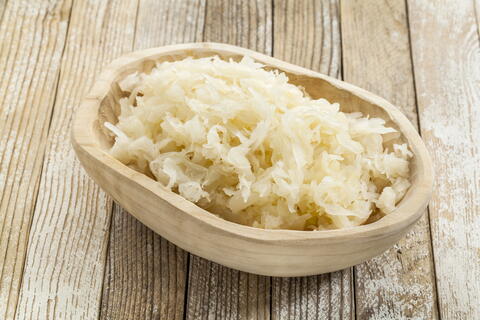
Ferment Cabbage at Home: Your Simple 2-Ingredient Gut Healing Guide
As the seasons change and daily life throws its various curveballs, prioritizing our well-being becomes more important than ever. While many might reach for quick fixes, sometimes the most profound health transformations come from the simplest, most ancient practices. Enter sauerkraut – a humble, yet mighty fermented cabbage dish that has been nourishing bodies for over 4,000 years. If the thought of fermenting your own food seems daunting, prepare to have your mind changed. This comprehensive guide will show you how to create your own gut-healing elixir with an incredibly **easy homemade sauerkraut** recipe, using just two ingredients.
The Ancient Superfood: Why Sauerkraut Reigns Supreme
Long before "superfood" became a buzzword, sauerkraut was delivering unparalleled health benefits across cultures. This traditionally fermented product is a powerhouse for gut health, a cornerstone of overall wellness. But not all sauerkraut is created equal.
The grocery store shelves often stock "sauerkraut" that is, in reality, pickled cabbage. This variety is typically heat-processed, shelf-stable, and often contains added sugars and preservatives. While it might taste tangy, it lacks the vital probiotic benefits of true lacto-fermented sauerkraut. The real deal, the kind we’re making today, is a live, raw food produced through a magical process called lacto-fermentation. This is where beneficial bacteria, naturally present on the cabbage, convert sugars into lactic acid, creating that signature sour flavor and a rich ecosystem of probiotics.
Why should you bother making your own **easy homemade sauerkraut**? The benefits are immense:
- Enhanced Gut Health: A diverse microbiome is crucial for digestion, nutrient absorption, and fighting off pathogens. Sauerkraut introduces a wide array of beneficial bacteria that flourish in your gut.
- Boosted Immune System: A significant portion of your immune system resides in your gut. By nurturing a healthy gut flora, you directly strengthen your body’s defenses.
- Improved Mood and Stress Reduction: The gut-brain axis is a powerful connection. A healthy gut has been linked to better mood regulation and reduced stress, offering a natural antidote to the pressures of modern life.
- Better Digestion: The enzymes and probiotics in fermented cabbage aid in breaking down food, reducing bloating and discomfort.
- Increased Nutrient Absorption: Fermentation makes the nutrients in cabbage more bioavailable, meaning your body can absorb and utilize them more efficiently.
- Antioxidant Power: Cabbage itself is rich in antioxidants, and the fermentation process can even enhance some of these beneficial compounds.
Embracing the simplicity of an
Easy Sauerkraut: Just 2 Ingredients for Gut Health recipe is truly one of the most supportive things you can do for your body, helping you navigate everyday challenges with more resilience and vitality.
Unlocking the Magic: Just Two Ingredients!
The beauty of **easy homemade sauerkraut** lies in its minimalist approach. You literally only need two ingredients: cabbage and salt. That’s it! No fancy starters, no complex equipment, just nature doing its incredible work. However, selecting the right type of each ingredient is crucial for fermentation success.
Choosing Your Cabbage Wisely
The classic choice for sauerkraut is green cabbage. Its crisp texture and mild flavor make it ideal for fermentation. However, don't feel limited – red cabbage works beautifully too, offering a vibrant color and slightly different flavor profile.
The most important tip when selecting your cabbage, especially if you're new to fermenting, is to opt for
organic cabbage whenever possible. Here's why:
- Avoid Chemical Residues: Non-organic cabbage can harbor pesticide and herbicide residues. These chemicals, designed to kill pests and weeds, can unfortunately also inhibit or kill the beneficial bacteria vital for successful fermentation. This interference can lead to slower fermentation, off-flavors, or even spoilage.
- Richer Microbial Ecosystem: Organic produce, grown in healthier soil, tends to have a more robust and diverse natural microbial population on its surface. These are the very bacteria you want to encourage for lacto-fermentation.
While you can make sauerkraut with conventional cabbage, choosing organic significantly increases your chances of a vibrant, healthy ferment.
Selecting the Perfect Salt
Salt isn't just for flavor in sauerkraut; it's a critical component that orchestrates the fermentation process. It draws water out of the cabbage, creating the brine that protects the cabbage from undesirable microbes while allowing the beneficial lactic acid bacteria to thrive.
When choosing your salt, look for:
- Kosher Salt or Sea Salt: These are ideal. They are typically pure sodium chloride with no additives.
- Avoid Iodine and Anti-Caking Agents: Crucially, steer clear of table salt that contains iodine or anti-caking agents. Iodine can inhibit the growth of beneficial bacteria, potentially stalling or spoiling your ferment. Anti-caking agents can make your brine cloudy and may also interfere with the process. Always check the ingredient label!
With just these two carefully chosen ingredients, you're ready to embark on your **easy homemade sauerkraut** journey.
Your Step-by-Step Guide to Easy Homemade Sauerkraut
Making your own sauerkraut is a remarkably straightforward process. It requires patience more than precision, and once you get the hang of it, you'll wonder why you didn't start sooner. This recipe makes enough to fill a standard quart-sized Mason jar, a perfect starting point for beginners.
What You'll Need:
- 1 medium head of organic green cabbage (about 2-3 pounds)
- 1.5 – 2 tablespoons non-iodized sea salt or kosher salt
- A large mixing bowl
- A sharp knife or mandoline slicer
- A quart-sized wide-mouth Mason jar
- A fermentation weight (or a smaller jar filled with water that fits inside the larger jar)
- A lid for the jar (airlock lid is ideal, but a regular lid will work – see notes below)
The Process:
- Prepare the Cabbage: Remove any damaged or loose outer leaves from your cabbage. Reserve one or two large, clean outer leaves for later. Cut the cabbage into quarters and remove the core.
- Shred the Cabbage: Using a sharp knife, thinly slice the cabbage into fine ribbons. A mandoline slicer can make this task much faster and more uniform, but careful knife work is perfectly fine. Aim for shreds about 1/8-inch thick. Place the shredded cabbage into your large mixing bowl.
- Add the Salt: Sprinkle the salt evenly over the shredded cabbage.
- Massage the Cabbage: This is the most crucial step! With clean hands, begin to massage and squeeze the cabbage firmly. It will feel stiff at first, but as you continue to massage, the salt will draw out moisture, and the cabbage will soften and release its own brine. This process usually takes 10-15 minutes. You'll know it's ready when you can grab a handful of cabbage and easily squeeze liquid out of it. There should be a good amount of brine pooling at the bottom of the bowl.
- Pack the Jar: Take handfuls of the massaged cabbage and pack them tightly into your clean quart-sized Mason jar. Use a tamper, the back of a spoon, or your fist to press down firmly after each addition. The goal is to eliminate air pockets and ensure the cabbage is submerged under the brine.
- Create the Brine Layer: Once all the cabbage is packed, pour any remaining brine from the mixing bowl over the cabbage in the jar. Press down again to ensure all the cabbage is completely submerged under the liquid. There should be at least an inch of headspace between the top of the brine and the rim of the jar. If there isn't enough brine to cover, you can make a simple saltwater solution (1 tsp non-iodized salt per cup of filtered water) and add just enough to cover the cabbage.
- Weight It Down: Place one of your reserved outer cabbage leaves over the shredded cabbage, pressing it down to create a barrier. Then, place your fermentation weight (or smaller jar) on top of the cabbage leaf to keep all the shredded cabbage submerged under the brine. This is critical to prevent mold growth.
- Seal and Ferment: Lightly place the lid on your Mason jar. If using a regular lid, don't screw it on too tightly, as gases will build up and need to escape. You'll want to "burp" the jar daily by opening it briefly to release pressure. Even better, consider an airlock lid designed for fermentation jars, which allows gases out without letting air in.
- Choose Your Spot: Place the jar in a cool, dark spot at room temperature (ideally 65-75°F or 18-24°C). Avoid direct sunlight.
- Wait and Taste: Fermentation typically takes 1 to 3 weeks, though it can go longer. After about 5-7 days, you can start tasting it. Use a clean fork to extract a small piece. It should taste pleasantly sour, crisp, and slightly tangy. The longer it ferments, the stronger and more complex the flavor will become.
Beyond the Basics: Tips for Sauerkraut Success
Mastering **homemade sauerkraut** is easy, but a few extra tips can elevate your experience and ensure consistent results.
- Sanitation is Key: Always start with spotlessly clean jars, bowls, and utensils. While a sterile environment isn't necessary, cleanliness prevents unwanted bacteria from taking hold.
- Temperature Matters: The ideal fermentation temperature is between 65-75°F (18-24°C). Cooler temperatures will slow down fermentation, while warmer temperatures can speed it up but may also encourage undesirable microbes.
- Troubleshooting Mold vs. Kahm Yeast: During fermentation, you might notice a thin, white film forming on the surface of the brine. This is often kahm yeast, which is harmless. Simply skim it off. However, if you see fuzzy, colored (green, black, pink) growth, that's mold, and unfortunately, you'll need to discard the batch and start over. Ensuring the cabbage stays submerged is the best defense against mold.
- Storage: Once your sauerkraut reaches your desired flavor, transfer it to smaller, clean jars, press down to ensure it's still submerged in its brine, and seal tightly. Store it in the refrigerator. The cold temperature significantly slows down fermentation, preserving its flavor and probiotic benefits for several months.
- Creative Additions: While our basic recipe is just two ingredients, feel free to experiment once you've mastered the fundamentals. You can add shredded carrots, garlic cloves, juniper berries, caraway seeds, or even a bit of ginger for different flavor profiles. Add these in with the cabbage before salting.
For more ideas on how to maximize the health potential of your fermented cabbage, delve into an article like
Homemade Sauerkraut: Unlock Superfood Gut Health Easily.
Embracing the Fermentation Journey
The process of making **easy homemade sauerkraut** is more than just a recipe; it's an introduction to the incredible world of fermentation. It demystifies a traditional craft, empowering you to take control of your gut health and enjoy a truly vibrant food. The satisfaction of creating something so nourishing with your own hands, from just two simple ingredients, is incredibly rewarding.
This time-honored tradition offers a delicious and economical way to boost your vitality, support your immune system, and bring a unique tang to your meals. From topping your favorite brats and pork chops to adding a zesty crunch to salads or enjoying it straight from the jar, **homemade sauerkraut** is versatile and utterly delicious.
Conclusion
Don't let any lingering intimidation hold you back from discovering the immense benefits and simple pleasure of making **easy homemade sauerkraut**. With just cabbage, salt, and a little patience, you can create a potent, probiotic-rich food that supports your gut, boosts your immunity, and adds incredible flavor to your diet. It's a testament to the power of ancient wisdom and simple ingredients. So, grab your cabbage, embrace the process, and embark on a delicious journey toward better health – your gut will thank you!