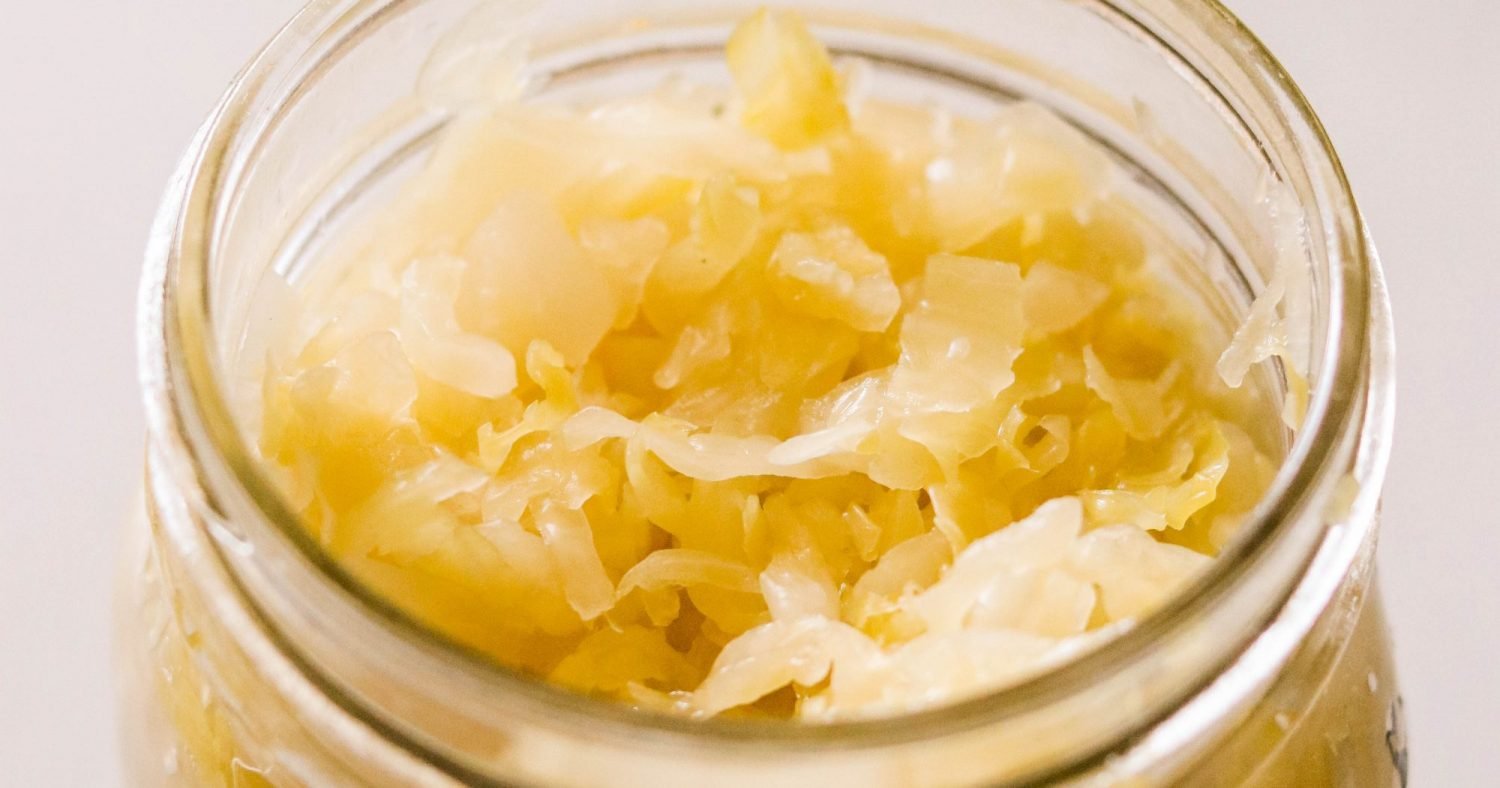
Ditch the Doughnuts: Embrace Easy Homemade Sauerkraut for a Healthier You
While the world often swirls with sugary temptations and elaborate meals, especially during busy seasons, we're here to offer a refreshing rebellion: easy homemade sauerkraut. Forget the notion that fermented foods are intimidating or only for seasoned gourmands. We're about to unveil one of the simplest, most ancient, and profoundly beneficial recipes on the planet, requiring just two core ingredients and minimal effort on your part. It's time to discover how effortless it is to incorporate this gut-healing superfood into your daily life.
Sauerkraut, often overlooked in the modern diet, is truly an original superfood – long before the term even existed. This traditionally fermented marvel, made from humble cabbage and salt, boasts a history spanning over 4,000 years. For centuries, cultures worldwide have cherished it not just for its unique tangy flavor but for its incredible ability to preserve food and, crucially, to nourish the body from the inside out. If you've ever felt overwhelmed by the idea of fermentation, this guide to fermenting cabbage at home is designed to demystify the process and introduce you to a world of vibrant health.
The Timeless Power of Sauerkraut: More Than Just a Side Dish
The journey into sauerkraut begins with understanding its true essence. Not all sauerkraut is created equal. You've likely encountered two main types: the shelf-stable, often canned or jarred variety found in supermarket aisles, and the traditional, lacto-fermented kind. The former is typically pickled cabbage, often containing added sugar and vinegar, and while it might offer a similar tangy flavor, it largely lacks the immense probiotic benefits of its fermented counterpart. This is where the "real stuff" comes in – lacto-fermented sauerkraut.
Lacto-fermentation is a natural process where beneficial bacteria, primarily from the Lactobacillus family, convert the sugars in cabbage into lactic acid. This acid acts as a natural preservative and gives sauerkraut its characteristic sour taste. But beyond flavor, it's these live, active bacteria that transform simple cabbage into a powerful health tonic. These beneficial microbes are vital for a thriving gut microbiome, which in turn supports a cascade of bodily functions.
Embracing homemade sauerkraut allows you to harness this ancient wisdom in its purest form. By making it yourself, you control the quality of ingredients, avoid unwanted additives, and ensure a fresh, potent source of probiotics that store-bought, pasteurized versions simply can't match.
Unlocking Gut Health: Why Fermented Foods Matter
The concept of "gut health" has moved from a niche topic to a central pillar of overall well-being, and for good reason. Our gut, often referred to as our "second brain," plays a pivotal role in digestion, nutrient absorption, immunity, and even mood regulation. A balanced and diverse gut microbiome – the community of microorganisms living in our digestive tract – is essential for these systems to function optimally.
This is precisely where lacto-fermented sauerkraut shines. Each tangy forkful introduces a rich tapestry of beneficial bacteria into your gut. These probiotics help to:
- Improve Digestion: They aid in breaking down food and absorbing nutrients more efficiently, potentially alleviating issues like bloating and indigestion.
- Boost Immunity: A significant portion of our immune system resides in the gut. A healthy microbiome strengthens immune responses, helping your body fight off illness.
- Enhance Nutrient Absorption: The fermentation process can predigest some nutrients, making them more bioavailable for your body.
- Support Mental Well-being: Emerging research suggests a strong link between gut health and mood, with a healthy gut potentially influencing neurotransmitter production like serotonin.
Especially during times of stress, like the busy holiday season, when diets can become less balanced and the body is under more strain, nurturing your gut becomes even more critical. Incorporating easy homemade sauerkraut is a simple yet powerful step towards fortifying your internal defenses and sailing through life's challenges with more vitality and less stress.
Your Simple Recipe for Easy Homemade Sauerkraut: Just 2 Ingredients!
Ready to dive in? The beauty of easy homemade sauerkraut lies in its utter simplicity. You only need two items to begin your fermentation adventure:
The Essential Ingredients:
- Cabbage: While any variety of cabbage will technically ferment, green cabbage is the classic choice and produces excellent results. It's readily available and affordable.
- Crucial Tip: Whenever possible, opt for organic cabbage. Non-organic cabbages can harbor chemical residues from pesticides and herbicides. These chemicals can inhibit or interfere with the delicate fermentation process, making it harder for the beneficial bacteria to thrive and convert the sugars effectively. Choosing organic ensures a cleaner, more reliable fermentation.
- Salt: This is more important than you might think! You'll need a good quality, additive-free salt.
- Crucial Tip: Look for kosher salt or sea salt. The key is to avoid salts with additives like iodine or anti-caking agents. Iodine can actually hinder the fermentation process by acting as an antimicrobial, and anti-caking agents can make your brine cloudy and unpleasant. Pure salt is essential for creating the optimal environment for fermentation.
The Basic Process (Simplified):
The method for making fermented cabbage at home is wonderfully straightforward:
- Prepare the Cabbage: Remove outer leaves, quarter the cabbage, and thinly slice or shred it.
- Salt and Massage: Place the shredded cabbage in a large bowl, sprinkle with your chosen salt, and begin to massage it vigorously with your hands. This is where the magic happens! The salt draws water out of the cabbage, creating its own brine. Continue massaging for 5-10 minutes until the cabbage softens and a significant amount of liquid is released.
- Pack it Tight: Transfer the cabbage and its liquid into a clean jar (a mason jar works perfectly). Pack it down firmly, pressing out any air pockets. It's vital that the cabbage remains submerged under its own brine. You may need to use a clean outer cabbage leaf or a small weight (like a fermentation weight or a smaller jar filled with water) to keep it beneath the liquid.
- Ferment: Loosely cover the jar (allowing gases to escape but keeping contaminants out) and let it ferment at room temperature (ideally between 65-75°F or 18-24°C) for several days to a few weeks. The longer it ferments, the tangier it will become.
Tips for Fermentation Success and Enjoying Your Sauerkraut
Embarking on your fermentation journey with easy homemade sauerkraut is incredibly rewarding. To ensure success and truly enjoy your creation, keep these tips in mind:
Pro Tips for Beginners:
- Cleanliness is Key: Always start with thoroughly cleaned jars, utensils, and hands to prevent undesirable bacteria from interfering with your ferment.
- Patience, Young Fermenter: Don't rush the process. Fermentation times vary based on temperature and personal taste. Start tasting after about 5-7 days. If it's not tangy enough, let it go longer.
- Keep it Submerged: The most crucial rule of fermentation is to keep your vegetables under the brine. Exposure to air can lead to mold. If you see a thin white film (Kahm yeast), it's usually harmless and can be scraped off, but black or colored fuzzy mold means you should discard the batch.
- Bubbles are Good: As fermentation progresses, you'll notice small bubbles forming and rising. This is a sign that the beneficial bacteria are actively working!
- Trust Your Senses: Sauerkraut should smell pleasantly sour and tangy, not rotten or off. If it smells bad, trust your instincts and discard it.
Enjoying Your Tangy Creation:
Once your easy homemade sauerkraut reaches your desired tanginess, transfer it to the refrigerator. This slows down the fermentation process significantly, preserving its flavor and probiotic benefits for weeks, even months. Now, for the best part – eating it!
Sauerkraut is incredibly versatile. It's a classic accompaniment to:
- Brats, hot dogs, and sausages
- Roast pork or other hearty meat dishes
- Sandwiches and wraps (try it on a Reuben!)
- Salads (adds a wonderful crunch and zest)
- Simply by itself as a gut-healthy snack
Adding a spoonful or two of raw, unpasteurized sauerkraut to your meals is an effortless way to boost your daily intake of beneficial probiotics and add a burst of complex flavor.
Conclusion
Making easy homemade sauerkraut is a testament to the idea that some of the best things in life are indeed the simplest. With just cabbage, salt, and a little patience, you can create a powerful, probiotic-rich food that supports your gut health, boosts your immunity, and adds a delicious tang to your meals. Don't let the mystique of fermentation deter you; this age-old practice is approachable, inexpensive, and incredibly rewarding. By taking just a few minutes to prepare this "original superfood," you're making an investment in your overall well-being, proving that healthy eating can be both easy and incredibly beneficial.
